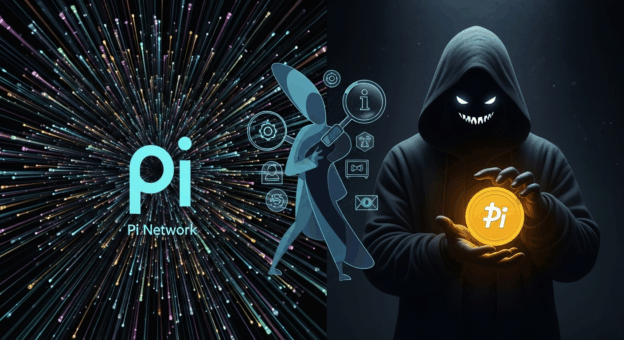
Pi Network, boasting tens of millions of users worldwide, holds immense promise for the future. Its accessibility—mining cryptocurrency with just a smartphone—has attracted a large community. However, this growth unfortunately shadows a reality of fraudulent solicitations that exploit information gaps and a lack of expertise, endangering users.
This article objectively examines Pi Network’s ambitious vision while delving into specific examples of ‘sweet traps’ within the community. We’ll provide concrete ways to identify and defend against these dangers, enabling you to understand Pi Network’s true potential and protect yourself.
Pi Network’s Current State and the Core Team’s Steadfast Approach
Pi Network attracts global attention. Unlike many cryptocurrency projects susceptible to market fluctuations, its Core Team maintains a unique and consistent path. We explore their robust roadmap and the grand vision behind it.
A Solid Roadmap and Strict KYC (Know Your Customer) Implementation
The Pi Core Team appears unwavering in its commitment to its roadmap, unaffected by short-term market volatility or community trends. Noteworthy is their strict KYC (Know Your Customer) process.
- While many cryptocurrency projects prioritize rapid market entry, Pi Network imposes rigorous KYC requirements on its users. This builds a crucial foundation for increased network transparency and trust, facilitating future collaboration with financial institutions and major corporations.
- These requirements are so stringent that some established exchanges reportedly fail to meet the Pi Core Team’s standards. This suggests the Core Team prioritizes creating ‘true value’ over short-term profits, emphasizing a long-term perspective.
Anticipation of Pi’s Future as a ‘Means of Payment’
Pi Network aims to be more than just a speculative cryptocurrency; it aspires to be a practical ‘means of payment’ for daily life, aiming for stability and reduced volatility compared to existing fiat currencies.
- The future introduction of Pi Cards could enable 2.5 billion people worldwide lacking access to traditional banking systems to participate in the digital economy through Pi Network. This represents a vast potential market, potentially integrating with major e-commerce platforms like Amazon and Alibaba.
- Furthermore, the envisioned Pi Browser aims to integrate the Web3.0 world within Pi’s ecosystem. This indicates that Pi Network seeks to be a comprehensive platform encompassing extensive digital services and financial infrastructure, beyond a simple cryptocurrency project.
Beware! The ‘Sweet Traps’ Lurking in the Pi Network Community
While many oversell Pi Network’s vision and potential, fraudulent solicitations aiming to lure users into risky transactions are prevalent. We’ll expose the tactics of these scams and highlight their unrealism, providing tips to identify the true intentions hidden behind deceptive language.
The Reality of ‘Pi Coin Trading Services’: The Flip Side of Unrealistic Principal Guarantees
A common solicitation within the community promises high returns by offering to trade Pi Coin on users’ behalf. For example, solicitations may use phrases like, “Invest $X, and we’ll give you Y Pi daily. Your principal is completely secure; I guarantee it.”
- Unrealistic Returns: Consider a hypothetical offer: “Invest $500, and receive 1 Pi daily.” Assuming a typical market price of $0.07 per Pi, recovering the $500 principal would take approximately 714 days (around two years). This is extremely unrealistic considering cryptocurrency price volatility and the uncertainty surrounding mainnet launch and open network commencement, making it highly likely to be a scam.
- Legal Risks of ‘Principal Guarantees’: In many jurisdictions, guaranteeing investment principal without the proper registration as a financial services provider is illegal. Such ‘principal guarantees’ are a major warning sign.
The Dangers of ‘Pi Coin Purchase’ Solicitations: The Risks of Direct, Non-Exchange Transactions
Some solicitations promote direct person-to-person Pi Coin purchases or ‘presales’ of specific tokens, citing reasons like high exchange fees or early-mover advantages.
- Risk of Fraud: Direct transactions carry a high risk of fraud, such as non-delivery of Pi after payment or the sale of fictitious Pi. Moreover, resolving payment disputes or legal issues becomes significantly more challenging.
- Learning from Past Examples: The ‘OneCoin’ scam, involving direct purchases via a specific organization and MLM (multi-level marketing), serves as a cautionary tale. Be wary of opaque token purchase schemes outside of regulated exchanges.
Checklist for Identifying Deceptive Scammers
Why do people fall prey to these unrealistic offers? Scammers exploit desires and knowledge gaps using sophisticated language. Stay vigilant and exercise sound judgment by noting these points:
- “Guaranteed Principal,” “High Returns,” “Guaranteed Profits”: There are no absolute guarantees in investing. Promises of high returns without risk are almost always scams.
- Unverified “Exclusive Information,” “Pre-Sales”: Scrutinize the reliability of sources for information not officially released or available through specific channels.
- Pressure for Immediate Decisions: Be wary of tactics that rush you into a contract with phrases like “limited-time offer” or “first-come, first-served.”
- Complex Schemes and Opaque Business Models: Avoid schemes with unclear, complicated details or ambiguous revenue models.
For the Healthy Development of Pi Network: What We Can Do
For Pi Network to become a truly valuable ecosystem, the efforts of the development team alone are insufficient; individual information literacy and ethical behavior are essential.
Emphasis on Personal Responsibility and Improved Information Literacy
Always remember that participating in and investing in cryptocurrencies is your own responsibility. Minimizing risk involves the following:
- Verifying Official Sources: Always confirm Pi Network information through official sources such as the website, whitepaper, and official social media accounts. Treat information from unofficial communities or individuals with a critical eye and use it only as a reference.
- Reporting and Sharing Suspicious Solicitations: If you encounter suspicious solicitations, do not respond; share the information with others and report it to the appropriate authorities to prevent further victimization.
Contributing to a Healthy Community
We can all contribute to the healthy growth of the Pi Network community:
- It’s crucial to address misinformation and fraudulent activities with reasoned, constructive criticism, and to correct inaccuracies.
- Cultivating a culture of multifaceted perspectives and calm discourse improves community-wide information literacy.
Conclusion: Looking to the Future of Pi Network and Making Wise Decisions
Pi Network, with its innovative vision and extensive user base, aims to unlock new potential for cryptocurrencies. However, this bright future is shadowed by scams exploiting knowledge gaps.
This article aims to provide you with an objective understanding of Pi Network’s current state and the ability to clearly identify the tactics of ‘sweet traps’ within the community. Avoid being misled by promises of ‘guaranteed principal’ or ‘high returns.’ Constantly verify information, hone your judgment, and contribute to Pi Network’s healthy development—this is your most important defense. Believe in Pi’s potential, but prioritize wise information gathering and actions for a safe Pi Network experience.
Always consult the official Pi Network website (minepi.com) and whitepaper for the most up-to-date information. If you encounter suspicious solicitations, do not respond and consider contacting your local consumer protection agency.