Blockchain」タグアーカイブ

Pi Network’s Pi Node (Pi Desktop) Explained: Roles, Setup, Selection Criteria, and Future

Recently, the term “decentralization” has gained significant attention alongside the concept of Web3. Pi Network, a smartphone mining app gaining global popularity, is a project striving to realize this decentralized network vision.

In Pi Network’s envisioned decentralized future, the Pi Node (now Pi Desktop) plays a crucial role. Alongside mobile app mining, Pi Nodes serve as the backbone, maintaining network security and integrity.

This article provides a comprehensive explanation of Pi Node (renamed Pi Desktop in the latest Pi Network update), covering its role, participation levels, selection criteria, and future roadmap. Even without specialized knowledge, you’ll gain a deep and accurate understanding.

How will you contribute to Pi Network’s future? Through this article, gain insight into the importance and potential of Pi Nodes and take the next step in your engagement with the Pi Network ecosystem.

What is a Pi Node? Its Role in Supporting the Decentralized Network

A Pi Node is a crucial computer application that validates and records transactions on Pi Network’s decentralized ledger (blockchain). Similar to other blockchains, consensus among all nodes on the transaction order solves the challenges of maintaining a decentralized currency.

Pi Network’s Stellar Consensus Protocol (SCP)

Unlike Bitcoin and Ethereum, which use the energy-intensive “Proof-of-Work (PoW)” consensus algorithm, Pi Nodes utilize the Stellar Consensus Protocol (SCP), a different approach.

SCP involves nodes forming groups of trusted nodes (called “quorum slices”), agreeing only on transactions approved by these trusted nodes. This mechanism works in conjunction with the “security circles” formed by mobile miners, creating Pi Network’s unique global trust graph to determine who can and cannot validate transactions on the shared ledger.

This allows Pi Network to be more environmentally friendly and accessible, avoiding the massive energy consumption of typical PoW systems.

User-Centric Design Philosophy

Unlike many crypto projects, Pi Node prioritizes a “user-centric” design. Instead of requiring deep technical expertise for node setup, it’s designed for ease of participation; users simply install the desktop application on their computer. This approach aims for a truly decentralized ecosystem.

Three Pi Node Participation Levels: Find Your Contribution

The Pi Node software (Pi Desktop) offers three participation levels based on technical involvement. Each level has different roles and requirements, allowing users to contribute according to their capabilities.

1. Pi Desktop (formerly Computer App): Easily Connect with Pi Network

  • Role & Function: This level uses only the desktop app interface of the Pi Node software, providing similar functionality to the Pi Network mobile app on your PC. For example, view your Pi balance on a larger screen, use the chat function, or view media content.
  • Technical Requirements: No special technical knowledge or configuration is needed; it’s as easy as installing a typical PC app.
  • Features & Contribution: Improves accessibility to the Pi Network ecosystem and increases user engagement. However, this level doesn’t provide mining bonuses.

2. Pi Node: Become a Blockchain Validator

  • Role & Function: Access the Pi Node interface and follow instructions to complete necessary technical preparations (e.g., port forwarding). This allows your computer to run blockchain components, validating transaction validity and submitting transactions to be recorded on the blockchain. It doesn’t directly participate in consensus formation.
  • Technical Requirements:
    • Port forwarding
    • Suitable processor and memory (recommended specifications available)
    • Stable, high-speed internet connection
  • Features & Contribution: Contributes to network health and security, promoting Pi Network’s decentralization. Mining bonuses are possible at this level.

3. Pi Super Node: Supporting the Network’s Backbone

  • Role & Function: The most crucial role, forming the backbone of the Pi blockchain. In addition to all Pi Node responsibilities, it’s responsible for forming consensus to write appropriate transactions to the ledger and ensuring other Super Nodes and Nodes receive the latest blockchain state.
  • Technical Requirements: In addition to Pi Node requirements, a constant connection and highly reliable internet connection are necessary.
  • Features & Contribution: Essential for maintaining network stability and decentralization; selected by the core team. Offers the highest potential rewards due to its advanced contribution.

These three participation levels are further compared in the table below:

Participation Level Role & Function Technical Requirements (Main) Features & Contribution
Pi Desktop Use similar functions of the Pi Network mobile app on a PC (chat, balance check, etc.) No special technical knowledge required Easy access to Pi Network
Pi Node Transaction validation, submission, and recording on the decentralized ledger Port forwarding, appropriate PC specifications, stable internet connection Verifies blockchain integrity, contributes to network decentralization
Pi Super Node Pi blockchain backbone. Consensus formation, state synchronization Node requirements plus constant connection, high reliability, excellent internet connection Maintains network stability and decentralization

Security warnings like Microsoft Defender SmartScreen may appear when installing the Pi Node software, a common occurrence with new apps being installed by many users. As Pi Network’s user base grows, these warnings tend to disappear.

Pi Node/Super Node Selection Process and Criteria

To function as a Pi Node or Pi Super Node in Pi Network’s Testnet, download and install the Pi Node software on your computer. Follow the instructions within the Pi Node application, install the necessary technical packages, and keep the software running continuously. There isn’t a separate “application” screen; the process of correctly setting up and stably running the software is considered the application process itself.

The Pi Network core team then selects Nodes and Super Nodes based on the following criteria. Nodes and Super Nodes are evaluated using similar criteria, but the threshold for Nodes is set lower than for Super Nodes.

Selection Criteria

  • Uptime: Online 24/7 as much as possible.
  • Good Internet Connection: Fast and stable internet access.
  • Port Forwarding Capability on Local Router: Configuration enabling external communication.
  • Appropriate Processor and Memory: PC hardware specifications necessary for smooth node operation. At least 250MB of free disk space is recommended, but older PCs may lack sufficient performance.
  • Prior Community Contributions: Active participation in the Pi Network community.
  • Security Circle and Trust Score: Indicators of trustworthiness within Pi Network.
  • KYC (Know Your Customer) Completion: The process verifying the participant is a real person.

Selected Node and Super Node applicants are typically notified through the Pi Node interface over a period of about three months. Pi Network aims to be as inclusive as possible and plans to develop additional ways for more pioneers to access the Node role in the future.

Pi Network Testnet Roadmap: The Path to Decentralization

Pi Network presents a three-stage Testnet roadmap towards building a fully decentralized Mainnet. This roadmap is crucial for ensuring network stability, security, and scalability.

1. Selection Phase

  • Purpose: The core team runs the consensus algorithm on pioneers’ computers who have applied to be Nodes and successfully installed the necessary packages. This allows them to understand individual Node requirements (hardware, uptime, bandwidth, connection stability, etc.) and define appropriate thresholds to balance network security and activity.

2. Revision Stage

  • Purpose: Scenario testing and iterative improvement of the consensus algorithm. Stress tests simulating various scenarios (e.g., half the network is isolated, a Node suddenly stops/is compromised) are conducted to determine algorithm modifications and application methods for ensuring security, improving activity, and achieving scalability.
  • This stage includes a centralized layer to allow the core team to assign simulated data of the network graph and configuration to different Nodes, enabling efficient testing of a wide range of scenarios. This centralized layer will be removed in the Mainnet after serving its testing purpose.

3. Live Testnet

  • Purpose: After the selection and revision stages, various Node types actively fulfill their responsibilities. The network’s performance is tested using real data from security circles generated by mobile miners and the actual activities of network participants. This stage also includes an iterative process of testing, data analysis, debugging, and revision, continuing the pursuit of security, liveness, and scalability.

Through these stages, Pi Network addresses unique challenges (a large number of participants, decentralization of PCs as Nodes, integration of trust graphs from mobile miners, etc.) and advances the adaptation and expansion of SCP tailored to the needs of the Pi blockchain.

Frequently Asked Questions (FAQ) about Pi Node

Q. What’s the relationship between Pi Node software and the Pi Network mobile application?

A. The Node software and the mobile app are not mutually exclusive but complementary. You log in to the Node software using your mobile app account, linking them to the same Pi account. Mobile mining can only be started from the mobile app, but the Node’s Pi Desktop interface allows you to check your balance, chat, and view media content on the home screen.

Q. How does running a Node affect my device? Does it consume CPU or battery power?

A. When using only Pi Desktop (with Node or Super Node functions “off”), CPU, memory, and network traffic consumption is minimal, with little impact on the device. When running with Node or Super Node functions “on,” CPU, memory, hard drive, and network resources are used. Data is being collected during the Testnet period to better determine the specific impact on devices.

Q. Are there rewards for running a Node?

A. One goal of the Pi Testnet is to determine what rewards should be given for running a Node. The core team is gathering relevant data to determine the most appropriate incentive mechanism, but there are currently no direct mining rewards for Testnet Nodes. A reward mechanism based on Node contributions may be introduced in the future.

Q. Is the Pi Node software open source?

A. The blockchain components of the Node are planned to be open-sourced. Currently, the core team is organizing the GitHub repository and aims to maintain an open issue list for community members to contribute as needed.

Conclusion: Accelerate Pi Network’s Future by Running a Pi Node

The latest update to Pi Network’s Pi Node (Pi Desktop) demonstrates the steady progress in the project’s decentralization efforts. Pi Nodes are not just mining tools but essential pillars supporting Pi Network’s security, stability, and decentralization.

With three participation levels—Pi Desktop, Pi Node, and Pi Super Node—users can deeply engage with the Pi Network ecosystem according to their technical skills and willingness to contribute. Participating as a Pi Node or Super Node is crucial for maintaining network health and building the foundation of the future decentralized Web3.

While the project is currently in the Testnet phase and direct rewards for running Nodes are not yet confirmed, from a long-term perspective, the value of running a Node may increase with Pi Network’s growth. Always check the Pi Network official website and in-app notifications for the latest information, as official announcements are constantly updated.

Hopefully, this article has answered your questions about Pi Nodes and deepened your understanding of Pi Network. Let’s participate in building Pi Network’s decentralized ecosystem and create the future together.
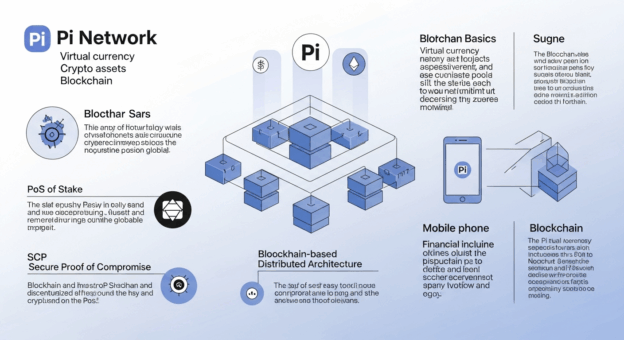

Pi Network: A Comprehensive Guide to the Smartphone-Mineable Cryptocurrency

In today’s world, cryptocurrencies like Bitcoin and Ethereum are no longer solely the domain of experts. Among them, Pi Network has garnered significant attention for its unique approach, allowing users to mine cryptocurrency using only their smartphones. This approach sets it apart from traditional cryptocurrencies.

While the phrase “free cryptocurrency” is appealing, many aspects of Pi Network’s true value, technical mechanisms, and future prospects remain unclear. Does Pi Network truly have the potential to revolutionize our financial system, or is it merely a fleeting trend?

This article provides a comprehensive and objective explanation of Pi Network, from its fundamentals and unique technological features to its vibrant community, its potential to transform the financial system, and the realistic challenges it faces. No prior knowledge is required; we aim to provide a solid foundation for understanding Pi Network and fostering further intellectual curiosity.

Pi Network Fundamentals: Accessible Cryptocurrency for All

This section explores Pi Network’s origins and why it’s considered an “accessible” cryptocurrency for many.

Pi Network is a new cryptocurrency project launched in 2019 by a team of Stanford University graduates. Its main feature is the ability to participate in mining using only a smartphone app, eliminating the need for high-powered computers or specialized knowledge typically required for cryptocurrency mining. This embodies Pi Network’s philosophy of creating a user-friendly platform accessible to everyone.

Pi Network utilizes a decentralized open-source protocol, enabling peer-to-peer transactions without a central authority like a bank. This is supported by distributed ledger technology (blockchain), where all transaction history is shared among network participants, making tampering extremely difficult. Think of blockchain as a “digitally secure, publicly auditable ledger” that enhances transparency and trust.

While traditional cryptocurrencies often require technical hurdles and financial investment, Pi Network prioritizes accessibility, aiming for broader adoption.

Unique Consensus Algorithm: An Evolution of Proof of Stake (PoS)

This section focuses on Pi Network’s unique technical mechanisms for securely and energy-efficiently verifying transactions and maintaining the network.

Drawbacks of Traditional Proof of Work (PoW)

Many early cryptocurrencies, such as Bitcoin, utilize a consensus algorithm called Proof of Work (PoW). This involves solving complex mathematical problems using significant computing power to verify transactions and add new blocks (collections of transaction records) to the blockchain. This process consumes vast amounts of electricity and requires expensive hardware, leading to environmental concerns and a tendency for mining to be concentrated among the wealthy.

Pi Network’s PoS-Based Consensus

In contrast, Pi Network employs a more energy-efficient consensus algorithm based on Proof of Stake (PoS). PoS assigns the right to verify transactions and add new blocks based on the amount and holding period of cryptocurrency owned. This eliminates the need for vast computing power, significantly reducing environmental impact.

Specifically, Pi Network uses a unique mechanism based on the Stellar Consensus Protocol (SCP). This technology builds trust relationships (quorum slices) among specific participant groups to achieve quick and secure consensus. In Pi Network, users contribute to this consensus process and earn Pi coins by actively participating in the network and gaining trust from others. This approach allows more users to contribute to network security and growth without specialized hardware.

  • High Energy Efficiency: Maintains the network with significantly less power compared to PoW.
  • Ease of Participation: Anyone with a smartphone can participate and contribute, requiring no special equipment.
  • Enhanced Decentralization: Reduces the risk of computing power concentrating in specific mining companies, aiming for broader participant decentralization.

The Power of Pi Network’s Strong Community

This section delves into the role of Pi Network’s active and dedicated community, a crucial element in its growth and adoption.

One of Pi Network’s most notable features is its strong and enthusiastic community. Despite being a relatively new cryptocurrency, Pi Network has cultivated a large and dedicated user base passionate about the platform and its potential.

Community members actively interact on social media platforms like Facebook, X (formerly Twitter), YouTube, and messaging apps like Telegram. They discuss the platform, share ideas, and support each other, promoting Pi Network’s growth and adoption.

The Pi Network development team emphasizes active community engagement. They regularly host online events and Q&A sessions, sharing development updates and answering user questions to build transparency and trust. This open and collaborative approach fosters strong trust and a sense of belonging among users.

Users are encouraged to invite friends and family to the network. This network effect has played a vital role in expanding Pi Network’s reach and growing its user base. The strong community is not merely a collection of users; it’s a driving force behind Pi Network’s growth and increased awareness.

Potential for Financial System Transformation and Realistic Challenges

This section examines Pi Network’s future vision and the specific hurdles it must overcome to achieve it.

Potential Transformative Power

Pi Network has the potential to disrupt the traditional financial system by offering an alternative to centralized banks and financial institutions. Operating on a decentralized blockchain, Pi Network enables peer-to-peer transactions without intermediaries like banks or payment processors.

This direct transaction offers several key advantages:

  • Reduced Transaction Costs: Significantly lower costs due to the elimination of intermediary fees.
  • Increased Transaction Speed: Near real-time processing due to the absence of third-party approvals.
  • Financial Inclusion: Provides access to financial services for those excluded from traditional banking systems (e.g., the unbanked), contributing to financial inclusion.

Pi Network’s potential for financial system transformation has attracted attention from existing financial institutions. Some banks and financial institutions are already exploring the use of blockchain technology to improve and streamline their services, and Pi Network’s decentralized approach may offer a more innovative alternative.

Challenges and Future Outlook

Despite Pi Network’s potential benefits, its success is not guaranteed. Like any new technology, it faces risks and challenges.

Most importantly, Pi Network is currently in an “Enclosed Mainnet” phase. This means Pi coins are not yet listed on major exchanges and cannot be freely exchanged with other cryptocurrencies. Pi coins may be used for some goods and services within the Pi Network ecosystem, but their value has not yet been clearly established by the market.

Future challenges include:

  • Establishing Value: Whether Pi coins are listed on external exchanges and a stable market price is established will significantly impact the project’s credibility and adoption.
  • Regulatory Uncertainty: Cryptocurrencies are subject to evolving regulatory frameworks globally, and Pi Network may face various regulations in the future.
  • Technical Scalability and Security: Maintaining scalability and security is crucial as the user base grows.
  • Building a Practical Ecosystem: To be more than just a speculative asset, Pi coins need attractive applications and services that are useful in daily life.

The cryptocurrency market is highly volatile and unpredictable. Pi Network’s ability to overcome these challenges and realize its potential will be the focus of attention in the coming years.

Conclusion: Anticipating the Future of Pi Network and the Importance of Objectivity

Pi Network has the potential to bring exciting developments to the world of cryptocurrencies and blockchain technology with its easy smartphone participation, unique consensus algorithm, and strong community. The prospect of financial inclusion and efficient, intermediary-free transaction systems sparks significant intellectual curiosity.

However, success is not guaranteed; it is currently in an “Enclosed Mainnet” phase, and the market value of Pi coins is yet to be determined. Risks such as technical challenges, regulatory uncertainty, and cryptocurrency market volatility must be considered.

When following Pi Network’s developments, it’s crucial to maintain an objective and critical perspective alongside enthusiastic anticipation. It’s recommended to consult official announcements and reliable third-party sources, gathering up-to-date information independently.

How the vision Pi Network presents will unfold remains to be seen. Observing its evolution and growth with a calm yet expectant mindset, as an informed observer, will be our next learning step.

Pi Network’s Historic Turning Point: Open-Sourcing the Pi Node Blockchain and its Future Implications

Introduction: Pi Network’s Giant Leap Forward

Pi Network, a novel cryptocurrency allowing for easy mining on smartphones, has garnered significant global attention. The project is steadily expanding its ecosystem towards its ultimate goal: mainnet launch.

Recently, the announcement of “open-sourcing the Pi Node blockchain components” has created significant buzz, marking a pivotal moment in Pi Network’s history. This isn’t merely a technical announcement; it underscores Pi Network’s commitment to building a truly decentralized ecosystem, reflecting its philosophy and vision.

Why is this open-sourcing a historic turning point for Pi Network? How will it impact Pi users (known as Pioneers) and the future Pi Network envisions? This article delves into the rationale behind this significant announcement and its multifaceted impact on Pi Network.

Understanding Pi Nodes in Pi Network and the Significance of Open-Sourcing

The Role of Pi Nodes: Essential Components of Pi Network’s Decentralized Network

Pi Network aims to make cryptocurrency accessible to everyone via smartphones. However, at its core lies the **Pi Node**, software running on PCs. Pi Nodes play a critical role in maintaining the blockchain network. Specifically, they validate transactions, maintain network security, and ensure the consistency of the distributed ledger.

While the smartphone app serves as the interface for Pi mining, Pi Nodes are crucial for establishing Pi Network as a true blockchain-based decentralized network, rather than simply a points system.

The Importance of “Open Source” in Blockchain Technology

“Open source” refers to the practice of making a software’s source code publicly available, allowing anyone to view, modify, distribute, and contribute to its improvement. This contrasts with “closed-source” software, developed and managed exclusively by specific companies or organizations.

Blockchain technology and open source are highly compatible; indeed, open source is crucial for realizing the core value of blockchain. Major blockchain projects like Bitcoin and Ethereum are all open-source. This offers several key advantages:

  • Transparency: Publicly available code allows anyone to verify the absence of malicious activity or hidden functionalities.
  • Security: Global developers audit the code, identifying and fixing vulnerabilities, enhancing the overall system security.
  • Collaborative Development: Utilizing collective intelligence accelerates development, enabling the addition of more innovative features.

Pi Network’s decision to open-source the Pi Node blockchain components is a strategic and philosophical move, aligning the project with the ideal blockchain model and ensuring its long-term reliability and growth.

A Historic Turning Point: Five Transformations Brought About by Pi Node Open-Sourcing

Open-sourcing Pi Nodes is expected to bring numerous positive changes to Pi Network. Here are five key transformations and how they will contribute to its future:

1. Absolute Transparency: From Black Box to Foundation of Trust

What to Learn: The significance of fully disclosing Pi Node’s operational principles.
What to Understand: How this improves Pi Network’s credibility and eliminates doubts.

Previously, some users perceived Pi Network’s inner workings as a “black box.” However, open-sourcing the Pi Node blockchain components makes the source code fully public. This allows developers, experts, and even ordinary users worldwide to examine how Pi Nodes operate and validate transactions.

This absolute transparency will significantly enhance trust in Pi Network by eliminating doubts about fairness and security. By making its core technology transparent, like disclosing a company’s financial status, users can participate with greater confidence. This embodies blockchain’s core value: decentralized trust.

2. The Power of a Global Community: Collaborative Development Accelerates the Project

What to Learn: The potential for global developers to participate in Pi Network’s development.
What to Understand: How Pi Network evolves as a community-driven project.

One of open-sourcing’s most significant advantages is attracting global developers. Instead of relying solely on the Core Team, thousands of programmers and engineers can review Pi Node’s code, submit improvement suggestions (pull requests), and contribute to bug detection and fixing.

This mirrors the success of open-source projects like Linux and Ethereum, which have evolved remarkably through community collaboration. Leveraging collective intelligence, Pi Network can achieve faster, higher-quality development as a “community-by, community-for project,” adapting to diverse needs.

3. Accelerated Technological Innovation: Evolution of Algorithms and Systems

What to Learn: How open-sourcing fosters technological breakthroughs.
What to Understand: How Pi Network’s technological competitiveness is strengthened.

With many brilliant minds accessing the Pi Node source code, algorithm optimization and improved system processing efficiency are expected to accelerate. This could lead to technological breakthroughs such as faster transaction processing, more efficient node operation, and compatibility with diverse devices and operating systems.

This will be a crucial driver for Pi Network to stay at the forefront of technology, preventing obsolescence. In competing with other blockchain projects, this speed and flexibility of technological innovation will be a significant competitive advantage.

4. Robust Security: Multifaceted Monitoring for Vulnerability Detection

What to Learn: How community code monitoring enhances security.
What to Understand: Why the Pi Network ecosystem becomes safer and more stable.

Closed development environments may overlook software vulnerabilities and bugs. However, with Pi Node open-sourced and its code constantly checked by hundreds or thousands of individuals, potential security risks can be identified and rectified quickly.

This aligns with the “Linus’s Law” in the open-source community—”Given enough eyeballs, all bugs are shallow.” In the blockchain world, where cybersecurity threats are constant, this multifaceted monitoring system will significantly enhance Pi Network’s security, creating a safer, more stable ecosystem for users.

5. Towards True Decentralization: Moving Away from Centralization and a User-Driven Future

What to Learn: How open-sourcing is essential for realizing a decentralized network.
What to Understand: Pi Network’s ultimate goal: a user-centric blockchain.

Blockchain’s core principle is “decentralization.” Pi Node’s open-sourcing reduces reliance on the Core Team, enabling community node operators (Pioneers) to form the network’s backbone.

With everyone able to verify the code and operate nodes, network maintenance and management won’t be concentrated in a few groups. This facilitates a truly decentralized state. This is a crucial step towards Pi Network evolving into a “project by millions” and fulfilling its vision of “bringing blockchain to everyone.”

Pi Network’s Core Team is preparing a GitHub repository for this open-sourcing initiative, publishing a list of unresolved issues and encouraging community contributions. This goes beyond a technical announcement; it embodies Pi Network’s ambitious vision as a social project aiming for societal transformation, shaping the future of decentralized finance.

Conclusion: Pi Network Enters a New Phase; Your Participation Shapes the Future

Open-sourcing Pi Node’s blockchain components is a landmark step towards project maturity and achieving a truly decentralized ecosystem. This move brings absolute transparency to Pi Network, invigorates global community collaboration, accelerates technological innovation and security, and most importantly, paves the way for true decentralization.

Pi Network’s future depends not only on the Core Team’s efforts but also on the participation and contributions of each Pioneer. Understanding this historic turning point and continuing to participate in Pi Network’s ecosystem will help shape the future of digital currency and Web3.

Regularly check Pi Network’s official announcements and GitHub repository for updates. Join Pi Network in this new phase and contribute your intellectual curiosity and action to building the future.

Uncovering the True Value of Pi Network: A Comprehensive Analysis from Multiple Perspectives

In today’s volatile financial markets, cryptocurrencies are rapidly establishing themselves as a new asset class. The massive influx of funds into Bitcoin spot ETFs, in particular, is driving overall market activity and fueling expectations of a major bull market (uptrend) for many altcoins (Alternative Coins).

Within this dynamic market environment, where does Pi Network stand, known for its easy smartphone mining? This article provides a comprehensive analysis of its price trends, community growth, and criticisms of the project’s technical aspects and operations from multiple perspectives.

This article aims to build a solid foundation for a deep understanding of Pi Network’s current state and an objective assessment of its future prospects.

Pi Network’s Latest Trends and Data Analysis: Significance of Over 15 Million Wallets

Let’s begin by examining Pi Network’s current market position and the underlying data.

Current Market Price and Market Cap Ranking

Pi Network is not yet officially listed on major cryptocurrency exchanges. Therefore, a conventional “market price” or “market cap ranking” does not exist. However, some exchanges trade it as an “IOU (I Owe You)” token, anticipating Pi’s future value, which reportedly hovers around $0.40 at the time of writing.

This should be considered a reference value if a full mainnet migration and listing are realized. While some sources mention a drop to “31st in market capitalization,” this is likely based on unofficial IOU token data or a past, specific evaluation metric.

Positive Signs from Pi Network’s Wallet Growth (Over 15 Million)

Despite the low price, Pi Network shows a significant positive trend: the number of wallets created for storing Pi has exceeded 15 million. Unlike simple app downloads, this signifies the number of users prepared or already migrated their Pi to the mainnet, strongly suggesting solid project progress and community growth.

The increase in wallet numbers also reflects Pi Network’s steady progress in “migration” (the process of moving Pi from the testnet to the mainnet). However, the continued “lockup” (a mechanism preventing users from withdrawing their Pi for a certain period) limits the amount of Pi circulating in the market.

The Context of Expectations and Predictions: Bitcoin and Altcoin Market Trends

Understanding Pi Network requires understanding broader cryptocurrency market trends.

PlanB’s Bitcoin Price Prediction and Its Credibility

The prominent analyst PlanB is known for his Bitcoin price predictions. He claims his 2023 Bitcoin prediction was accurate and predicts a range of $500,000 (approximately ¥75 million), or even $250,000 to $1,000,000 (approximately ¥37.5 million to ¥150 million), in the current cycle.

While PlanB’s predictions significantly influence the market, their model and accuracy remain debated. He has revised predictions in the past, and his statements include caveats emphasizing uncertainty.

Major Altcoin Price Trends and Market Impact

The overall cryptocurrency market is currently on an uptrend. Bitcoin is trading above $117,000, Ethereum at around $2,940, showcasing strong performance among major cryptocurrencies.

The significant rise of altcoins like Stellar Lumens (XLM) and Ripple (XRP) is particularly noteworthy. This suggests a new influx of capital into the market and the potential for a major bull market. Historically, Bitcoin’s rise often drives the overall altcoin market.

How much will Bitcoin’s price increase contribute to Pi Network’s value appreciation?

This depends on Pi Network’s post-mainnet ecosystem and market reception. While the overall market trend may be favorable, Pi’s intrinsic value and utility will ultimately be key.

Multiple Perspectives on Pi Network: Expectations, Reality, and Criticisms

Pi Network generates considerable anticipation due to its unique mining method and large community. However, it also faces criticism regarding its technological aspects and operational policies. Let’s objectively consider these diverse viewpoints.

The Possibility of “GCV $314,159” and Realistic Considerations

Within the Pi Network community, the concept of “GCV (Global Consensus Value)” is discussed, with a remarkable target price of $314,159 per Pi. This number derives from the mathematical constant π (pi) and symbolizes the network’s aim for a globally consensual value.

Considering the current IOU price and market environment, this GCV is an extremely ambitious goal and should currently be viewed as a “possibility.” Realizing this value requires the Pi ecosystem’s practicality, widespread adoption, and market understanding and acceptance.

Criticisms of Pi Network’s Technology and Operations: Open-Source Usage and KYC/Migration Challenges

Some critics point to Pi Network’s limited proprietary technology and reliance on existing open-source technologies (e.g., the Stellar Lumens protocol), arguing a lack of “technological advancement.” While utilizing open-source technologies is common in blockchain projects, improving efficiency and security, Pi Network’s unique innovation will be demonstrated through future ecosystem development.

Furthermore, delays in KYC (Know Your Customer) and migration progress are widely recognized issues within the community. Many users await mainnet migration, and these delays raise concerns about project reliability and future prospects.

Additionally, there are criticisms about Pi Network’s management system which seems to “collect” or “restrict” users’ Pi with each update, such as domain acquisition and lockup. This likely aims to prevent excessive Pi release into the market and maintain long-term value, but it also restricts users’ free trading.

Challenges of Long-Term Projects: Lessons from Ripple (XRP)

Projects like Pi Network, developed over an extended period, face a gap between market expectations and reality. For instance, Ripple (XRP), despite its long history, strong community, and practical use cases, has seen a prolonged price stagnation.

This suggests that, regardless of project maturity and scale, regulatory environments, market trends, and above all, “demand based on practicality” significantly influence price formation. For Pi Network, providing practical value after mainnet migration and gaining market acceptance are crucial factors determining its future.

Forecasting Pi Network’s Future: Future Prospects and Perspectives for Pioneers

Today’s cryptocurrency market is undergoing a significant transition due to new capital inflows and technological advancements. This presents potential opportunities for Pi Network.

Pi Network’s Potential Positioning in the Current Market Environment

Bitcoin spot ETF participation by institutional investors improves the overall cryptocurrency market’s reliability and liquidity. Riding this “major bull market” wave could provide Pi Network with opportunities to acquire new users and expand its ecosystem. A large user base can be a strong foundation for building new applications and services.

Speculation Regarding “New Announcements in July” and Their Credibility

Some speculate about “important announcements from Pi Network at the end of July.” However, the content and credibility are unclear, remaining mere “rumors.” Instead of reacting to unconfirmed information, it’s crucial to await official announcements from the Core Team.

Importance of Project Transparency and Community Collaboration

For long-term success, Pi Network must improve transparency, clearly communicating development progress and challenges to the community. Actively incorporating feedback from users (“Pioneers”) and collaboratively building the ecosystem will enhance the project’s reliability and sustainability.

Can Pi Network establish true value in these turbulent times?

The answer depends on Pi Network’s ability to move beyond a simple mining project, provide users with practical value, and play a vital role in blockchain technology’s societal integration.

Conclusion: Pi Network and the Path to the Future

Pi Network boasts unique strengths: easy smartphone mining and a massive user base. However, it also faces challenges: unlisting on major exchanges, KYC/migration progress, and criticism of its technological aspects.

The current bullish cryptocurrency market trend could be favorable for Pi Network, but its true value will ultimately be determined by its utility for users, ecosystem expansion, and transparent operations. While hopeful projections like GCV are inspiring, a realistic perspective and continuous information gathering are essential for Pioneers.

Pi Network is still a developing project with uncertainties, but its potential cannot be denied. The key is to avoid emotional decisions and always base your actions on objective information.

Let’s continue to monitor Pi Network’s progress and learn together as it evolves. We sincerely hope all Pioneers and contributors to the Pi Network ecosystem take another step towards the future.

For a deeper understanding of Pi Network, we recommend referring to the official website and whitepaper and performing your own multifaceted analysis.

Pi Network Mainnet Migration Checklist: 8 Steps to Activate Your Pi

Pi Network has captivated millions of Pioneers worldwide as a groundbreaking cryptocurrency project allowing easy mining from smartphones. A common question among users is: “How can I actually use the Pi I’ve mined?”

The answer lies in the final stage of Pi Network: migration to the mainnet. A crucial tool for this smooth transition is the “Pi Network Mainnet Migration Checklist.” This article provides a detailed explanation of each step, ensuring you have a solid foundation for utilizing your Pi.

Understanding the Pi Network Mainnet Migration Checklist and Its Importance

This section explains what the Pi Network mainnet is and why this migration process is crucial. By the end, the significance of the checklist and the vision behind Pi Network will be clear.

What is Pi’s “Mainnet?”

In blockchain technology, the mainnet is the production environment where cryptocurrency transactions and applications operate. Unlike the “testnet” (testing environment), transactions on the mainnet have real-world value.

Pi Network is currently in a phase called the “Enclosed Mainnet.” This period facilitates Pi usage within the Pi ecosystem before direct exchange with external blockchains or fiat currencies. Pioneers who complete mainnet migration can transfer their Pi to a Pi Wallet and use it to purchase goods and services within this enclosed ecosystem.

Checklist Purpose and Overview

The mainnet migration checklist outlines the process of transforming your mined Pi into “transferable Pi balance” ready for mainnet migration.

This checklist consists of eight main steps. Completing step 7 prepares your transferable Pi balance for the mainnet migration queue. Following each step ensures a smooth transition and participation in the Pi ecosystem.

Accessing the Mainnet Migration Checklist

This section explains how to access the mainnet migration checklist through the Pi app, allowing you to check your migration status and proceed to the next steps.

  • Tap the “Mainnet Info” shortcut in the bottom right corner of the Pi app’s home screen.
  • Alternatively, tap the hamburger menu icon (three lines) in the top left corner to open the Pi menu, select “Mainnet,” and then tap “Mainnet Checklist.”

Either method will lead you to the checklist page.

Pi Network Mainnet Migration Checklist: 8 Steps Explained

This section details the eight steps required to complete the mainnet migration. Understand the significance and specific actions of each step to ensure a successful migration.

Step 1: Download the Pi Browser App

Pi Browser is the core Web3.0 browser for the Pi ecosystem. Key Pi apps, including the Pi Wallet and Pi KYC, are accessible through Pi Browser, serving as the access point to the Pi ecosystem. Download the Pi Browser app from the App Store (iOS) or Google Play Store (Android) if you haven’t already.

This app will be used to utilize goods and services with Pi and access decentralized applications (dApps) linked to the Pi mainnet in the future.

Step 2: Create a Pi Wallet

The Pi Wallet is a digital wallet for storing your migrated Pi. Pi Network uses a “Non-Custodial Wallet,” meaning you manage your assets.

A non-custodial wallet means Pi Network doesn’t store your wallet passphrase (private key); you are responsible. This enhances security as only you can access your Pi. The official Pi Network YouTube channel provides detailed tutorial videos on creating and using a Pi Wallet.

Step 3: Approve Your Pi Wallet

This crucial step confirms you know your Pi Wallet passphrase. You’ll re-enter it for approval.

Losing your passphrase means losing all your Pi. Pi Network doesn’t record your passphrase; it cannot be recovered if lost. Store it securely and confidentially.

Step 4: Finalize Your Lockup Settings

Finalizing Pi lockup settings allows for higher mining rates before mainnet migration. Lockup supports healthy ecosystem growth and encourages long-term contributions.

Lockup Mechanism:

  • Longer lockup periods and higher Pi percentages result in higher mining rewards.
  • This reward is a crucial decentralized macroeconomic mechanism in the initial stages of ecosystem launch and demand creation.
  • Lockup is optional, but you must finalize your initial settings to complete step 4.
  • Once finalized, lockup settings (amount and duration) cannot be changed (reduced) until your first mainnet migration is complete.

After the first mainnet migration, your previous lockup settings are automatically applied for subsequent migrations. However, you can adjust the settings between mainnet migrations. These changes apply to future migrations and don’t affect already migrated lockups.

For more detailed information on Pi lockup rewards, refer to the updated chapter in the whitepaper released on December 28, 2021.

Step 5: Submit Your KYC Application

KYC (Know Your Customer) verifies that Pioneers are real individuals, meeting regulatory requirements. This prevents fraud and multiple accounts, maintaining network integrity.

The Pi KYC app within Pi Browser uses a decentralized solution combining automated machine processes and human verification through crowdsourcing from Pioneers worldwide. This makes KYC scalable and cost-effective. Submit your Pi KYC application when a slot becomes available. Currently, slots are open for a majority of the network, with the remainder to receive invitations as work progresses.

Step 6: Await KYC Results

This step is complete upon successful KYC application approval.

In rare cases, additional network checks just before mainnet migration might revert your verified status to unverified. If this happens, you might be offered re-application options. Regularly check your KYC application status and next steps in the Pi KYC app. KYC-approved Pioneers can apply to be KYC validators. While not mandatory for mainnet migration, this contributes to the scaling and speed of the overall KYC solution, and the work is rewarded in Pi.

Step 7: Approve Mainnet Migration

Completing all previous steps allows you to add your transferable Pi balance to the mainnet migration queue. This involves using your Pi Wallet passphrase to execute an approval document. This passphrase must be the same as in Step 3.

If you can’t access your current passphrase or want to change your wallet, repeat steps 2 and 3 to create and approve a new wallet, then re-confirm the new wallet passphrase in step 7.

Completing step 7 queues your transferable Pi balance for transfer to your mainnet Pi Wallet address (this is the mainnet migration), unless your KYC-approved status is revoked due to pre-migration checks.

Step 8: Await Mainnet Migration Completion

After queuing, a 14-day holding period exists before your Pi balance reflects in your mainnet wallet. During this period, Pioneers cannot use their mainnet Pi balance for transfers.

This holding period allows the network to perform additional checks and corrections, ensuring secure transfers. After the holding period, Pioneers can freely use their Pi within the current enclosed Pi mainnet.

Post-Mainnet Migration Outlook and Usage

Pioneers who have completed the checklist and migrated their Pi balance to their Pi Wallet can begin participating in the Pi ecosystem. In the enclosed mainnet, you can use Pi to buy various goods and services and use Pi-based Web3.0 applications.

This marks a significant step in Pi Network’s evolution from a mobile mining app to a functional blockchain ecosystem with actual value exchange. As the Pi ecosystem grows, more utility will emerge, expanding Pi’s value and usage.

Conclusion: Act Now for the Future of Pi Network

Since its inception, Pi Network has shown remarkable growth in scale and enthusiasm. The start of mainnet migration and the development of a fully functional and thriving ecosystem on the mainnet blockchain is a great achievement for the Pi Network development team.

Completing this mainnet migration checklist is crucial for all Pioneers to activate their Pi. Use the knowledge gained in this article to complete the checklist and contribute to the future development of Pi Network. For further learning, regularly check the official Pi Network whitepaper, updates within the Pi app, and official announcements.

Pi Network Whales: Unveiling the Mystery of the ODM Wallet and OKX’s Involvement

Pi Network, a cryptocurrency mined via smartphones, boasts over 60 million users globally. However, its future and the timeline for its open mainnet launch remain speculative.

Recently, the community buzzes with discussions surrounding “whales,” large-scale holders moving significant amounts of Pi, particularly involving a mysterious “ODM wallet” and the leading cryptocurrency exchange, OKX. What do these movements signify?

This article objectively analyzes these reported wallet activities and explores their potential impact on Pi Network’s future. We aim to provide accurate insights, preventing misinformation and preparing you for future developments.

Pi Network’s Whales: The Shocking ODM Wallet

Recent large-scale Pi movements, especially those involving the enigmatic ODM wallet, have caused significant ripples within the Pi Network community. Reports indicate this wallet holds a staggering 311 million Pi tokens, fueling much speculation.

Large-Scale Wallet Movements and Community Unease

In typical cryptocurrency markets, investors wielding significant coin holdings and influencing market trends are termed “whales.” Pi Network currently operates on a closed mainnet, prohibiting free trading on public exchanges. This context makes the reported large-scale wallet activity a source of both excitement and anxiety within the community.

The ODM Wallet: Its Holdings and Mysteries

The precise origins of the ODM wallet’s substantial Pi holdings remain unclear. Pi Network’s closed mainnet makes it difficult to verify detailed wallet activity via external blockchain explorers. However, some within the community suggest this activity reflects internal Pi Network movements or preparations for the open mainnet launch.

The ODM wallet’s existence, coupled with Pi Network’s massive user base, significantly influences potential future market liquidity and price formation.

OKX’s Involvement: A Testament to Pi Network’s Future?

Adding fuel to the fire is the involvement of OKX, a leading cryptocurrency exchange. Some reports suggest OKX transferred 3.5 million Pi to the ODM wallet, and further reports indicate that OKX announced Pi Network’s “listing” in February 2024. However, we must carefully consider the implications of this “listing.”

The Truth Behind OKX’s Pi Network “Listing”: Official Listing vs. IOU

As of March 2024, Pi Network remains on a closed mainnet; Pi is not officially listed on external exchanges. Therefore, OKX’s announced “listing” likely doesn’t represent actual Pi trading. Such announcements often indicate the exchange initiating IOU (I Owe You) trading based on anticipation of a future open mainnet listing. IOU trading involves users betting on Pi’s future value, akin to trading IOUs. The Pi Core Team doesn’t endorse such unofficial trading.

However, OKX’s attention to Pi Network – a top-tier exchange – suggests they value its potential. Given OKX’s strict regulatory compliance and security standards, their interest hints at Pi Network’s potential recognition as a legitimate blockchain network.

Interpreting Whale Movements: Strategic Preparations for Pi Network’s Open Mainnet

The seemingly mysterious large-scale Pi wallet movements can be viewed not just as speculative actions but as strategic preparations for the open mainnet launch – like a massive move.

Understanding Large-Scale Wallet Re-allocation: The “Move” Analogy

When moving to a larger house, do you suddenly rent a moving truck? No, you plan weeks in advance, pack, coordinate with movers, and prepare for life in the new house.

Pi Network’s situation is similar. The open mainnet transition is a “massive move,” transforming Pi Network from a community project into a global financial ecosystem. The activities of the ODM wallet and exchanges like OKX can be interpreted as “packing” and “establishing a foundation” in this “new location.”

Whales’ Insight into Pi Network’s Potential

Whales often possess deeper insights into market trends and project potential than the average investor. Their accumulation of Pi and exchanges’ related activities may signal an internally understood proximity to the global launch.

These strategic preparations aim to provide sufficient liquidity during the open mainnet transition, ensuring smooth trading.

Pi Network Whale Strategies: Positive Aspects and Potential Risks

Whale activity in Pi Network presents both positive and negative aspects. Let’s objectively assess these:

Positive Aspects:
* Increased Institutional Interest and Market Credibility: Large-scale asset movements and exchange interest suggest Pi Network is a potentially valuable digital asset attracting institutional attention. This boosts Pi Network’s long-term credibility.
* Preparation for a Professional Market Launch: Concentrated liquidity from large holders could facilitate a healthy market upon the open mainnet launch, potentially mitigating extreme price volatility and fostering a stable trading environment.
* Regulatory Compliance Progress: Exchanges like OKX must adhere to strict regulatory compliance and security standards to operate. Their involvement strongly indicates Pi Network’s behind-the-scenes efforts to meet AML (Anti-Money Laundering) and KYC (Know Your Customer) requirements.

Potential Risks:
* Market Manipulation from Wealth Concentration: The concentration of over 300 million Pi in a single wallet risks price dumping if the holder deliberately sells large amounts, harming other Pi holders.
* Increased Initial Price Volatility: The open mainnet launch’s initial stages will likely see high volatility due to large-scale trading, potentially causing sharp price increases or decreases.

Your Pi: Strategies and Risk Management for Pi Holders

Amidst these significant developments, how should individual Pi holders protect assets and maximize opportunities? Let’s learn from whale strategies and act wisely.

Three Steps to Learn from Whale Strategies:

Whales don’t just hold Pi; they act strategically. Their approach, albeit on a different scale, is applicable to us:

* Accumulation: Whales quietly accumulate large amounts of Pi before widespread value recognition – similar to your current Pi mining. Continuously accumulating Pi, anticipating future value, is crucial.
* Positioning: Whales secure their positions, for example, by setting up accounts on major exchanges, anticipating the open mainnet launch. We should monitor Pi Network’s official announcements and gather information about potential exchanges.
* Strategic Selling: Whales are unlikely to sell all their Pi at once, causing market disruption. They’ll likely sell strategically, maximizing profits while maintaining market stability. We should formulate a clear exit strategy (partially selling, long-term holding, selling at a specific price, etc.).

Pi Network’s Strengths and Future Outlook

Pi Network’s appeal to whales stems from its unique strengths:

* The Power of a 60+ Million User Base: Few cryptocurrency projects boast such a massive user base. This community strength drives Pi Network’s potential to become a global financial ecosystem.
* Ecosystem Development and Practicality: Pi Network focuses on building a practical ecosystem, including developing decentralized applications (DApps) and retail payment options, beyond just Pi’s value.
* Mobile-First Approach and Inclusive Finance Vision: Pi Network’s smartphone mining makes financial services accessible to the unbanked, aiming for an inclusive financial system.

Risk Management is Key:

Cryptocurrency investment is inherently risky. Remember:

* Invest with Spare Funds: Only invest what you can afford to lose.
* Diversify: Spread investments across multiple cryptocurrencies and assets to reduce risk.
* Self-Education and Information Gathering: Stay informed about market trends and Pi Network’s official announcements.

Pi Network Future Scenarios: Pathways to Success and Challenges

Based on the information and whale activities, several possible Pi Network scenarios emerge:

Scenario 1: Positive Growth
Whales provide market liquidity and stability, promoting healthy price formation. Pi Network achieves a successful global launch with strong institutional support, and Pi’s value increases steadily. Users benefit from network growth and success, leading to widespread adoption.

Scenario 2: High Volatility
The open mainnet launch’s initial stages see significant price fluctuations due to whale activity and speculation. Some users profit handsomely, while others suffer losses due to market manipulation and uncertainty. The network eventually stabilizes, but achieving its full potential requires time and effort.

Scenario 3: Facing Challenges
Wealth concentration leads to market dominance issues, undermining Pi Network’s inclusive finance vision. New regulatory challenges or technical/operational problems hinder growth.

While the outcome remains uncertain, Pi Network’s large community, regulatory compliance efforts, and focus on practicality suggest a positive scenario. Community vigilance regarding wallet movements, demanding transparency and accountability, is crucial.

Conclusion: Pi Network at a Crossroads – Prepare for the Future

The large-scale ODM wallet activity and OKX’s involvement are significant, indicating Pi Network’s transition from a community project to a global financial ecosystem. Whale strategies reveal both market expectation and concern. Understanding these strategies and developing your own Pi holding strategy is key to navigating the future market. Prepare for price volatility, but focus on Pi Network’s long-term vision and ecosystem development.

Pi Network’s true value lies in its technology and its global community of pioneers. By staying informed and making rational decisions, you can successfully navigate the open mainnet era.

Pi Network’s further development is closely watched globally. We strongly recommend keeping abreast of official announcements and Pi Core Team updates.

1 Based on user numbers announced by the Pi Core Team. Verification of the definition and accuracy of active users is difficult.

2 Information discussed in some communities and reports, but not confirmed by official Pi Network announcements or blockchain explorers.

3 Same as above.

4 OKX’s reported “listing” of Pi Network does not represent an official mainnet listing; rather, it’s speculated that some exchanges initiated unofficial trading (IOUs) based on expectations surrounding Pi’s future. Pi Network remains on a closed mainnet (as of March 2024), with no official trading on external exchanges.

Pi Network’s Partnership with PCM and Deganverse: Breaking Down Web3 Barriers

While blockchain and Web3 technologies are rapidly evolving, their complexity presents a significant barrier to entry for average users. Managing private keys, setting up wallets, and navigating complex terminology have prevented many from reaping the benefits. Pi Network, aiming to democratize cryptocurrency and achieve widespread adoption, is taking a unique approach. A crucial step toward this goal is its recently announced strategic partnership with Pi Chain Mall (PCM) and Deganverse.

**Pi Network’s Foundation and the Strategic Partnership**

**Pi Network’s Vision: Democratizing Cryptocurrency**

Pi Network is known for its smartphone-based mining, boasting tens of millions of users (Pioneers) worldwide. Its core objective is to create an environment where users without specialized knowledge can easily use cryptocurrency daily, democratizing Web3. Pi Network’s mainnet is currently in the Enclosed Mainnet phase, allowing Pi coin transactions under specific conditions. A full transition to an open network depends on KYC (Know Your Customer) progress and ecosystem development.

**The Tripartite Partnership: Collaboration with PCM and Deganverse**

This partnership unites Pi Network, the e-commerce platform Pi Chain Mall (PCM), and the decentralized game platform Deganverse. By combining their strengths, they aim to enhance user experience and activate the entire ecosystem.

**PCM Wallet Revolutionizing Web3 Access: Prioritizing Ease of Use**

**A New Standard for Non-Custodial Wallets**

The PCM wallet aims to significantly improve usability while maintaining the user’s complete control over their assets as a non-custodial wallet (users manage their private keys and own their assets). It seeks to eliminate the complex setup and seed phrase management issues associated with traditional cryptocurrency wallets, making Web3 accessible with the ease of Web2 services.

**Seamless Integration with Web2 Logins**

A key feature is the support for Web2 login methods, such as social media accounts, familiar to many users. This significantly lowers the psychological and technical barriers to cryptocurrency access for new users, aligning perfectly with Pi Network’s vision of making cryptocurrency accessible to everyone.

**Integration with Deganverse: Games Driving Web3 Utility**

**The Fusion of Decentralized Games and the Pi Ecosystem**

Deganverse, a cutting-edge decentralized game platform (blockchain-based games), will be fully integrated into the Pi ecosystem. This allows Pi Network’s vast user base to access various decentralized games directly through the PCM wallet without additional accounts or complex setups.

**Fruity Pi: Showcasing the Potential of Games and the Economy**

“Fruity Pi” is a game highlighted as a concrete result of the Deganverse integration. This game offers more than just entertainment; players can earn real Pi coins as rewards. This demonstrates the utility of Pi coin within the ecosystem, rather than just being a speculative asset. In-game Pi coin circulation is expected to activate the entire ecosystem and contribute to long-term value creation.

**Innovation in Advertising Models and Benefits for Developers**

Fruity Pi is also notable for its attempt at a decentralized advertising model that respects user privacy while generating revenue. This offers a Web3 solution to the challenges of user data usage in traditional games. Pi Network’s active user base of over 60 million, accessing mining from their smartphones, provides developers with direct access to a massive market. This allows for the creation and deployment of innovative applications without the high user acquisition costs of saturated existing markets.

**Pi Network’s Comprehensive Web3 Infrastructure**

**Trust and Convenience through KYC and P2P Payments**

Pi Network aims to build a comprehensive Web3 infrastructure, not just a cryptocurrency project. This includes establishing user identification through a rigorous KYC process and a peer-to-peer (P2P) payment system using Pi coin. This enhances transaction reliability and transparency within the ecosystem, fostering a more secure digital economy.

**New Wealth Creation Opportunities: DeFi, NFTs, and Play-to-Earn**

The integration of the PCM wallet and Deganverse is expected to create new economic opportunities for Pi Network users. These include:

* Passive income generation through Decentralized Finance (DeFi) services: conducting financial transactions directly on the blockchain without intermediaries.
* Creation and trading of digital assets on an NFT (Non-Fungible Token) marketplace: blockchain-based certificates that give unique value to digital data.
* Asset building within games through Play-to-Earn models: earning cryptocurrency and NFTs by playing games.

These opportunities aim to extend the benefits of Web3, previously limited to experts and early adopters, to a wider audience. With all these features accessible through the PCM wallet’s simple interface, anyone can enjoy the potential of Web3 without technical expertise.

**Conclusion: The Future of Web3 as Envisioned by Pi Network’s Partnership**

The strategic partnership between Pi Network, Pi Chain Mall, and Deganverse has the potential to mark a significant milestone in the mainstream adoption of Web3 technology. By dramatically lowering the barrier to entry for cryptocurrency and providing a user-friendly Web3 experience, this partnership aims to draw more people into the digital economy.

Amidst the increasing instability of traditional financial systems, Pi Network is offering more than just a cryptocurrency wallet – it’s a comprehensive financial ecosystem. A future where gaming, investment, and social connections converge in one secure environment may fundamentally change how we interact with our digital assets.

The extent to which this partnership is realized and Pi Network’s vision becomes a reality depends on future development and community involvement. However, their commitment to user-friendliness and accessibility in Web3 is a crucial step toward the widespread adoption of blockchain technology by society.

**To learn more about Pi Network:**

We recommend continuously checking official announcements and reliable specialist media for the latest information on Pi Network and Web3, as well as specific implementation progress. Blockchain technology is constantly evolving, and understanding based on accurate information is key to participating in the future digital economy.

Complete Guide to Pi Network’s Second Migration: Wallet Verification, KYC, and Secure Email

# Complete Guide to Pi Network’s Second Migration: Wallet Verification, KYC, and Secure Email

Pi Network has garnered global attention as a groundbreaking project enabling anyone to easily mine cryptocurrency on their smartphones. Its ecosystem is steadily evolving, reaching the crucial ‘migration’ stage where users transfer their earned Pi coins to their wallets.

You’re at the forefront of Pi Network’s evolution. Are you ready to safely guide your Pi coins to the next stage?

This article provides a comprehensive guide to the essential steps required by the latest Pi Network app update, particularly adding a secure email, completing the KYC ‘liveness test,’ and the wallet verification process. Understanding and correctly executing these steps will secure your Pi coins and build a strong foundation for participating in the future of the Pi ecosystem.

## Understanding Pi Network’s Second Migration

This section explains the concept of ‘migration’ in Pi Network and why the ‘second migration’ is currently a hot topic.

The Pi Network project has evolved through several phases. Currently, it’s in the ‘Enclosed Mainnet’ phase, focusing on verifying Pi coin utility and building the ecosystem. Pi coins are not yet listed on external exchanges but are starting to be used within the Pi app and Pi-based DApps (decentralized applications).

The ‘second migration’ refers to the process of transferring mined Pi coins from your mining balance in the Pi app to your personal mainnet wallet (Pi Wallet). This is a crucial step, transforming Pi coins from mere numbers into digital assets under your control. This migration is expected to unlock more opportunities to utilize Pi coins within the Pi ecosystem.

Wallet migration is also preparation for Pi Network’s ultimate goal: an ‘Open Mainnet,’ where Pi coins can be freely traded and used in a wider range of applications.

## Essential Steps for Securing Your Pi Coins and Migrating Your Wallet

This section details the specific actions required by the latest Pi Network app update and the steps to safely migrate your Pi coins to your wallet. Follow the in-app instructions and complete the following steps:

**Step 1: Add Your Secure Email**

You may see an ‘Add your secure email’ prompt on your Pi Network app dashboard. This is crucial for enhancing the security of your Pi account and wallet and ensuring future Pi coin migration.

* **Purpose:** Email verification enhances account security, improves account recovery, and increases the accuracy of identity verification. This is your first step in protecting your digital assets.
* **Action:** Clicking this prompt usually requires you to enter and verify your email address. Follow the instructions, enter your secure email address, and complete the verification process.

**Step 2: Complete the KYC ‘Liveness Test’**

Pi Network uses KYC (Know Your Customer) processes, including the ‘liveness test,’ to verify human users and prevent bots and fraudulent accounts.

* **Liveness Test:** This biometric test uses AI to verify you’re a real person via your camera. Record a short video following specific instructions (e.g., moving your face, blinking) to prevent fraud.
* **Importance:** Essential for maintaining the fairness and integrity of Pi Network, enhancing community trust, and building a more valuable ecosystem. Complete this test promptly if you haven’t already.

**Step 3: Verify Your Pi Wallet and Enable 2FA**

The Pi Network mainnet checklist includes ‘Pi Wallet Verification.’ You need to prove your Pi wallet is correctly set up and accessible.

* **Importance:** This establishes your Pi coin receiving location and ownership.
* **Two-Factor Authentication (2FA):** Adds an extra layer of security using a second verification method (email, etc.) in addition to your password, preventing unauthorized access.
* **Action:** Click ‘Start’ or a similar button to begin the wallet verification process. You’ll likely be prompted to enter your passphrase in the next step.

**Step 4: Manually Unlock Your Wallet with Your Passphrase**

You may be asked to manually unlock your wallet using your passphrase as part of the wallet verification process.

* **Passphrase Role and Importance:** Your Pi wallet passphrase is equivalent to a private key in other crypto wallets. It’s your sole access method and proves ownership of your Pi coins. Keep it secure and never share it.
* **Manual Unlock Meaning:** Manually unlocking with your passphrase shows the system you have full access to your Pi wallet and confirms your mainnet balance will be transferred there.
* **Action:** Accurately enter your Pi wallet passphrase and click ‘Confirm’.

**Step 5: Final Confirmation: Click the Email Verification Link**

After passphrase verification, a final confirmation link will be sent to your registered email address.

* **Email Confirmation:** A message like ‘Email confirmation sent’ will appear, and a confirmation email will be sent. Find the email from Pi Network in your inbox.
* **Final Meaning:** Clicking the link (like ‘Verify your migration wallet’) approves the wallet migration process and verifies that the associated email address is secure. You’ll see a ‘Secure email add successfully’ message upon completion.

Completing these steps doesn’t automatically migrate your Pi coins. However, it signifies the crucial preparation for safely and securely migrating them to your wallet within the Pi Network ecosystem.

## Why Are These Steps Important? The Future of the Pi Ecosystem and Security

These steps aren’t mere formalities. They’re vital for realizing Pi Network’s decentralized ecosystem and ensuring user asset security.

### Multi-Layered Security for Protecting User Pi Assets

Wallet verification, email authentication, and 2FA are multi-layered security measures protecting your Pi coins from unauthorized access and fraud. Pi Network implements these strict procedures to create a secure environment for managing digital assets.

### Contributing to Pi Network’s Fairness and a Healthy Ecosystem

KYC and liveness tests prevent fraudulent mining from bot and duplicate accounts, ensuring Pi Network is genuinely fair and human-centric. This enhances community trust and strengthens the foundation for long-term Pi coin value.

## Impact of Completing the Second Migration

These preparations allow users to manage Pi coins securely, utilize them in future DApps, and participate in the broader use enabled by the Open Mainnet transition. This process is a significant step towards Pi Network’s vision of a decentralized economy.

Pi Network strives for ease of use and fairness so everyone can benefit from crypto assets. Security and reliability are paramount.

## Conclusion: Building a Decentralized Future with Pi Network

The latest Pi Network app updates, including wallet verification, KYC, and secure email addition, are crucial steps for safely migrating your Pi coins. These aren’t just technical procedures; they’re important preparatory steps encouraging active participation in Pi Network’s decentralized and fair ecosystem.

By correctly completing these steps, you contribute to Pi Network’s evolution, secure your digital assets, and prepare to participate in the future of the Pi ecosystem.

Pi Network’s evolution continues. Stay informed via the official website and announcements, and continue building a decentralized future with your Pi coins.

We’ll continue providing information on further Pi Network usage and ecosystem updates on this blog. Bookmark it for your next learning step.

11 Common Pi Network KYC Problems & Solutions: From Pending Approval to Wallet Migration

# 11 Common Pi Network KYC Problems & Solutions: From Pending Approval to Wallet Migration

Are you a Pi Network user facing hurdles in the KYC (Know Your Customer) process? Experiencing prolonged pending approvals, Pi coin delivery issues to your wallet after approval, or a locked wallet? You’re not alone.

This article addresses 11 specific KYC problems many Pi Network users encounter, providing reliable, practical solutions for each. Consider this your roadmap to navigating KYC challenges and successfully joining the Pi Network ecosystem and migrating your Pi coins to the mainnet.

## Pi Network KYC: 11 Common Problems and Solutions

Pi Network’s KYC process is crucial for network security and fairness. However, it can be complex, leading to confusion and frustration. Here are 11 frequently reported issues and how to address them:

1. **KYC Application Stuck in ‘Pending Approval’ for Weeks or Months**

“My KYC application has been ‘pending’ for weeks or months.” This is a common concern. Some users report waiting for weeks, months, or even longer.

**Why the Delay?**
* **Community Validator Dependency:** Pi Network’s KYC relies on community validators. Validator availability and regional verification capacity are limited, causing application backlogs.
* **Backlogs:** New user influxes and system updates can create temporary backlogs.
* **Manual Verification:** Some cases require manual review, increasing processing time.

**Solutions:**
* **Avoid Resubmissions/Deletions:** Repeated submissions or deletions can worsen delays.
* **Regular App Updates & Checks:** Keep your Pi Network app updated and check your KYC status regularly.
* **Patience:** Many users report approval after prolonged waiting; it’s likely a processing backlog.
* **Check Official Announcements:** Monitor official channels (in-app notifications, social media) for updates.

This delay usually stems from system backlogs, not user error. Remain calm and patient.

2. **Mainnet Checklist Step 9 Remains Orange After KYC Approval**

Even after KYC approval, Mainnet Checklist Step 9 might remain orange. This can be misleading.

**Why is Step 9 Orange?**
* **Wallet Connection Issues:** Step 9 reflects not only KYC approval but also your Pi wallet’s connection to your Pi Network account. An issue here keeps it orange.
* **Synchronization Delays:** A delay may occur after KYC approval as the system synchronizes information.

**Solutions:**
* **Verify Account Login:** Ensure you’re logged into the correct Pi account if you have multiple accounts.
* **Verify Wallet Connection:** Open Pi Browser to confirm your wallet’s creation and connection to your account. Check if the wallet address matches Steps 3 and 9.
* **Try Re-login:** Logging out and back in may trigger synchronization.
* **Wait:** This usually resolves itself over time.

3. **Pi Coins Not Migrating to Mainnet After KYC Approval**

KYC approval doesn’t automatically migrate Pi coins. It’s a separate, complex process.

**Why the Delay?**
* **KYC and Coin Migration are Separate:** KYC proves your identity; coin migration is a different process.
* **Incomplete Mainnet Checklist:** Complete all Mainnet Checklist steps (wallet creation, passphrase storage, lockup settings).
* **Batch Processing System:** Mainnet migration happens in batches for efficiency.
* **Lockup Period:** Locked Pi coins won’t migrate until the lockup period ends.

**Solutions:**
* **Thoroughly Check the Mainnet Checklist:** Ensure all steps are green, especially Steps 3 (wallet creation) and 9 (wallet verification).
* **Verify Wallet Settings:** Ensure your wallet is correctly set up and your passphrase is securely stored.
* **Wait:** Migration takes time; it may take days or weeks.
* **Update App/Re-login:** Update your app and try re-logging in.

Your Pi coins won’t be lost. It’s likely a delay.

4. **KYC Rejection Due to Name Changes or ID Discrepancies**

Discrepancies between your ID and Pi account name (e.g., marriage name change, spelling differences) frequently cause rejections.

**Why are Discrepancies Problematic?**
* **Strict Automated Checks:** The KYC process uses automated ID scanning and facial recognition; even minor discrepancies trigger rejections.
* **Fraud Prevention:** Strict name matching prevents fraudulent accounts.

**Solutions:**
* **Prepare Official Documentation:** Provide official documents (marriage certificate, etc.) for name changes.
* **Submit Through the KYC Appeal Section:** Use the appeal section, attaching updated ID and proof of name change, with a concise explanation.
* **Update Account Name:** Update your Pi account profile to match your official ID before applying.
* **Avoid Creating New Accounts:** Don’t create a new account; this violates Pi Network policy.

Manual validator appeals have succeeded. Provide clear evidence and be patient.

5. **”Application Limit Reached” Message**

This message indicates temporary resource limitations or congestion.

**Why Can’t You Apply?**
* **Temporary Application Limits:** Pi Network limits concurrent applications for stability.
* **System Maintenance:** Maintenance may temporarily halt applications.

**Solutions:**
* **Try Again Later:** Check back periodically; application slots are regularly updated.
* **Check Official Announcements:** Look for announcements regarding application slots or system maintenance.

This is usually temporary.

6. **Locked or Inaccessible Wallet After KYC Approval**

This prevents Pi coin access and transfers.

**Why is the Wallet Locked?**
* **Synchronization Issues:** There may be delays or issues between the KYC and wallet systems.
* **Security Measures:** Suspicious activity may temporarily restrict wallet functionality.

**Solutions:**
* **Check Pi Browser:** Ensure Pi Browser is updated and launched correctly from the Pi app.
* **Reload Wallet:** Reload the wallet page in Pi Browser or restart the browser app.
* **Restart Your Device:** Restart your smartphone or PC.
* **Wait:** If issues persist, wait a few hours or a day.

7. **Repeated “Upload Errors” When Submitting Documents**

This prevents document uploads.

**Why Upload Errors?**
* **Unstable Network Connection:** Unstable Wi-Fi or mobile data leads to upload errors.
* **File Format/Size Issues:** Unsupported file formats or oversized images cause errors.
* **Server Load:** High server load may cause delays or errors.

**Solutions:**
* **Stable Network:** Use a stable Wi-Fi connection.
* **Check Image Files:** Use supported formats (JPEG, PNG) and appropriate sizes; resize if needed.
* **Restart App/Change Device:** Restart the Pi app or try a different device.
* **Change Time of Day:** Try applying during off-peak hours.

8. **Mismatched Wallet Addresses in Mainnet Checklist Steps 3 and 9**

This impacts Pi coin migration.

**Why the Mismatch?**
* **Incorrect Wallet Connection:** This happens with multiple wallets or when using a different wallet than the one linked to your account.
* **System Display Bug:** A rare possibility is a temporary display issue or synchronization delay.

**Solutions:**
* **Verify Wallet Address:** Carefully compare the wallet address in Pi Browser with the addresses in Steps 3 and 9.
* **Verify Correct Wallet Connection:** Ensure the correct wallet is linked to your Pi Network account.
* **Contact Official Support:** If problems persist, report the issue to Pi Network’s official support.

9. **Disabled Transfer Function After KYC Approval**

KYC approval doesn’t mean immediate transfer capability. Further conditions must be met.

**Why is the Transfer Function Unavailable?**
* **Ongoing Mainnet Migration:** The transfer function becomes active upon full mainnet migration.
* **Batch Processing Delays:** Your Pi coins may not yet be “available” due to batch processing.
* **Lockup Period:** You can’t transfer locked Pi coins.

**Solutions:**
* **Final Mainnet Checklist Check:** Verify all steps are completed (especially Steps 7 and 8 related to mainnet migration).
* **Verify Pi Coins in Wallet:** Check your Pi Browser wallet for available Pi coin balance.
* **Wait:** Many functions are available only after complete mainnet migration.

The source suggests the function isn’t actually disabled; it’s likely a misunderstanding or a temporary unavailability.

10. **Lost or Returned Pi Coins After KYC Completion**

This is a panic-inducing situation.

**Why the Apparent Loss?**
* **Temporary Display Issues:** Wallet synchronization issues or app bugs may cause incorrect balance displays.
* **Incorrect Wallet Address:** You might be referencing the wrong wallet or confusing multiple wallets.
* **System Processing:** In rare cases, coins may be temporarily held or returned to a specific wallet due to issues like fraud detection, but this is extremely rare.

**Solutions:**
* **Re-verify Wallet Address:** Check your Pi wallet’s address in Pi Browser and its transaction history.
* **Restart the Pi Network App:** A restart might resolve display issues.
* **Check Pi Network Official Announcements:** Check for information on large-scale system changes or known bugs.
* **Contact Official Support:** Contact Pi Network support if problems persist.

Your Pi coins are unlikely to be permanently lost after KYC completion. It is most often a temporary display issue or a temporary state during system processing.

11. **KYC Completed on the Wrong Pi Account**

Completing KYC on the wrong account leaves your intended wallet empty.

**Why is the Wallet Empty?**
* **Account/Wallet Mismatch:** The KYC-completed account doesn’t match the account holding your Pi coins.
* **Multiple Account KYC Attempts:** Pi Network policy generally allows one account per person. Attempting KYC on multiple accounts can cause issues.

**Solutions:**
* **Identify the KYC-Completed Account:** Pinpoint the account where KYC was completed.
* **Verify Wallet Link:** Check if the wallet linked to the KYC-completed account matches your Pi coin holding wallet.
* **Understanding the Truth:** An empty wallet likely means you’re using the wrong account’s wallet. Multiple account KYC attempts are problematic.

To avoid this, verify your account and wallet linkage and ensure you are using only your primary account before KYC.

## Conclusion: Patience and the Right Approach are Key to Pi Network KYC Success

Pi Network’s KYC process presents unique challenges due to its decentralized and community-driven nature. Many issues resolve through understanding the system and patience. By addressing the problems described here, you can ensure secure Pi Network use and smooth Pi coin migration to the mainnet. Act calmly, using accurate information; this is the surest path to full participation in the Pi Network ecosystem.

## Further Exploration of Pi Network: Using Reliable Information Sources

Information about Pi Network’s KYC and ecosystem is constantly updated. This article aims to help resolve your issues. For more details or the latest guidelines, consult Pi Network’s official website, official announcements, trustworthy community guidelines, and in-depth explanations from experts.

Complete Guide to the Minian Lab (Minion Lab) Airdrop: Contribute to the Future of AI Decentralized Networks and Earn Rewards

In recent years, the concept of “airdrops” has gained widespread recognition alongside the evolution of Web3. This is a strategy employed by new blockchain projects to acquire early users and build communities by distributing their tokens for free. The convergence of artificial intelligence (AI) and blockchain is particularly fertile ground for new possibilities. Among the projects attracting attention is Minian Lab (Minion Lab), which aims to build a decentralized AI infrastructure.

This article delves into what Minian Lab is, why it’s garnering attention, and, most importantly, how its airdrop mechanism works, how to participate, and strategies for efficient point accumulation. All this is explained objectively and logically, ensuring understanding even without prior specialized knowledge. Are you ready to ride the new wave of Web3?

Understanding the Basics and Mechanics of the Minian Lab (Minion Lab) Airdrop

Minian Lab (also referred to as Minion Lab) aims to build an infrastructure for decentralized AI computation. This enables the massive computational resources required for AI development to be provided by globally distributed computers (nodes) without reliance on centralized providers. Users contribute to this network by providing their computing resources and receive rewards (points) based on their contribution.

What is Minian Lab (Minion Lab)? Contributing to the Future of Decentralized AI Ecosystems

Minian Lab provides a foundation for performing advanced computational processes, such as AI model training and inference, on a decentralized P2P (peer-to-peer) network. This allows AI developers to leverage AI more affordably and in a censorship-resistant environment. Ordinary participants can contribute to the project as “node runners” by providing the excess computing power of their PCs or servers, receiving Minian Lab points in return. These points could potentially be exchanged for the project’s native token in the future, a quintessential Web3 model of “contribution equals reward.”

Reward Mechanism in Airdrop Participation: Points and the Tier System

In the Minian Lab airdrop, points are primarily earned through:

  • Contribution through Device Connection: Continuously earn points by connecting your device to the Minian Lab network and providing computing resources. Connecting multiple devices increases point accumulation.
  • Epoch-Based Aggregation: Points are aggregated at the end of specific periods (called Epochs), and rankings and rewards are determined based on contribution during that period.
  • Tier System: Participants are ranked based on their contribution and points earned. Reaching higher tiers may unlock more advantageous rewards and benefits. For instance, Tier 2 participants may need a specific number of points and referrals to advance to the next tier.

One participant’s data shows the following progress:

  • Total Points Earned: 452
  • Total Points Earned in Epoch 6: 852
  • Ranking in Epoch 6: Below 999th
  • Current Tier: Tier 2
  • Points Needed for Next Tier (Tier 3): 2551 points
  • Referrals Needed for Next Tier (Tier 3): 1

This data suggests that consistent contribution and strategic referral activities are crucial for advancing to higher tiers and maximizing rewards.

Minian Lab (Minion Lab) Operational Status: Online Status and the Prospect of Daily Tasks

The Minian Lab network status is typically “online,” aiming for stable operation. Future enhancements, including “daily tasks,” are anticipated. Daily tasks are expected to offer more diverse contribution methods, increasing opportunities for participants to easily earn points daily.

How to Participate in the Minian Lab (Minion Lab) Airdrop and Strategies for Efficient Point Accumulation

Participating in the Minian Lab airdrop is relatively straightforward, but understanding a few key points can significantly improve reward efficiency.

First Steps: Account Registration and Device Connection

Participation in Minian Lab begins with account registration through the official website. Using a referral link from an existing participant often streamlines registration and may provide referral bonuses. Once registered, connect your computing devices to the Minian Lab network. Owning multiple devices allows for increased contribution and higher point accumulation.

Maximizing Points: Leveraging the Referral Program

Similar to many Web3 projects, Minian Lab offers a referral program. Existing participants earn additional points and benefits by inviting new users. Even with zero referrals, actively promoting the project among friends and acquaintances accelerates point accumulation and helps meet tier advancement requirements (e.g., “one more referral needed”).

Looking Ahead: Anticipation for Daily Tasks and Community Activities

The “Coming Soon” daily tasks will be a key element in future point earning. Completing simple daily tasks allows for the continuous accumulation of points. Active participation in the Minian Lab community is also crucial for deepening project understanding, accessing the latest information, and networking with other participants. Contributing to a vibrant community may yield intangible rewards and future opportunities.

Precautions and Risks Associated with Participating in the Minian Lab (Minion Lab) Airdrop

While the Minian Lab airdrop offers attractive opportunities, it’s crucial to consider the general precautions and risks common to all Web3 projects. Before participating, carefully consider:

  • Early Project Stage: Minian Lab is a relatively new project; its technology and business model are still under development. The future value of its token and the project’s ability to meet its goals involve uncertainty.
  • Risk of Fraud: The attractiveness of airdrops unfortunately attracts fraudulent schemes. Be cautious of phishing websites mimicking the official site and suspicious links; never enter personal information or private keys.
  • DYOR (Do Your Own Research) Principle: Always adhere to the “Do Your Own Research” principle before investing or participating. Thoroughly investigate Minian Lab’s whitepaper, roadmap, team members, and community reputation before committing.

Conclusion: Will the Minian Lab (Minion Lab) Airdrop Be a New Beginning?

The Minian Lab (Minion Lab) airdrop provides an opportunity to contribute to a future-oriented decentralized AI infrastructure project while earning rewards. By participating as a “node runner” providing computing resources and leveraging the referral program, you can steadily accumulate points and aim for higher tiers. Anticipated daily tasks will further enhance consistent reward opportunities.

Web3 is rapidly evolving, and early participation in emerging technological trends can yield significant benefits. Projects like Minian Lab have the potential to contribute significantly to the future of decentralized AI. Consider this opportunity not merely as a way to earn something for free, but as a step towards deepening your understanding of the Web3 ecosystem, satisfying your intellectual curiosity, and contributing to the future of digital society.

If you’re interested in Minian Lab (Minion Lab), we recommend visiting the official website to gain a deeper understanding of its vision and mechanisms. Your new challenge at the frontier of decentralized AI might just begin here.